"Food-grade" is a history, not a certification
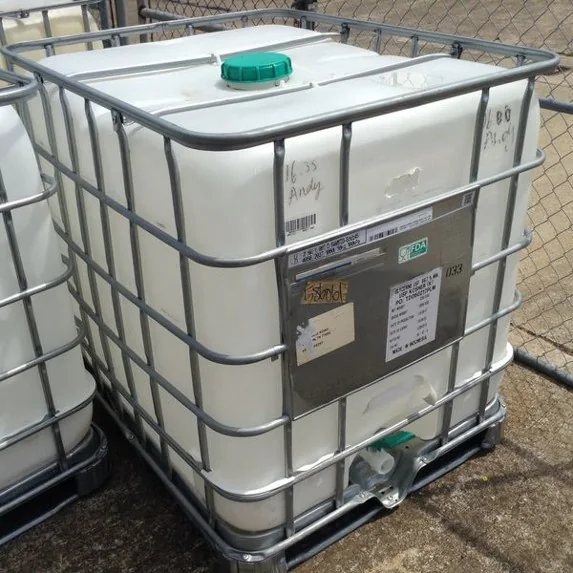
A food-grade listing means the previous contents were a food, beverage or similar product. It does not mean the used tote is cleaned, sanitized or approved for food contact or drinking water. If you need that, buy a food-grade history tote and run your own cleaning and sanitizing process, or ask us about reconditioned (rinsed) lots and what preparation they received.
Used vs reconditionedMatch the prior product to your product
The safest non-food purchase is a tote that carried something compatible with what you will store. A tote that held a surfactant is fine for washdown water; a tote that held a solvent is a poor choice for anything you do not want solvent traces in. We list the prior contents where known, so tell us what you are storing and we will match lots.
Water storage: which history?
Rainwater for gardens, livestock and irrigation is the most common reason people choose food-grade history, because the previous contents were edible and residue rinses out with water. For non-potable uses such as dust control, concrete work or washdown, non-food history saves money with no downside.
Rainwater and non-potable storageOdor and staining
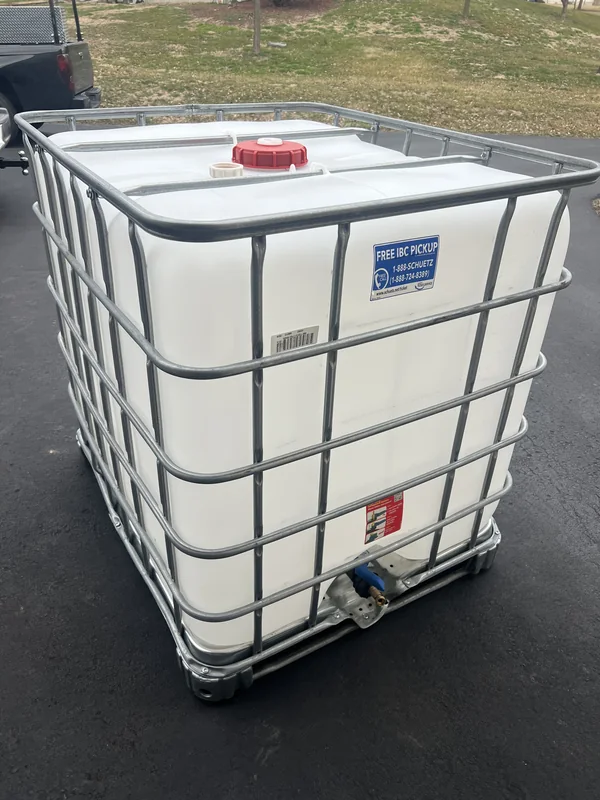
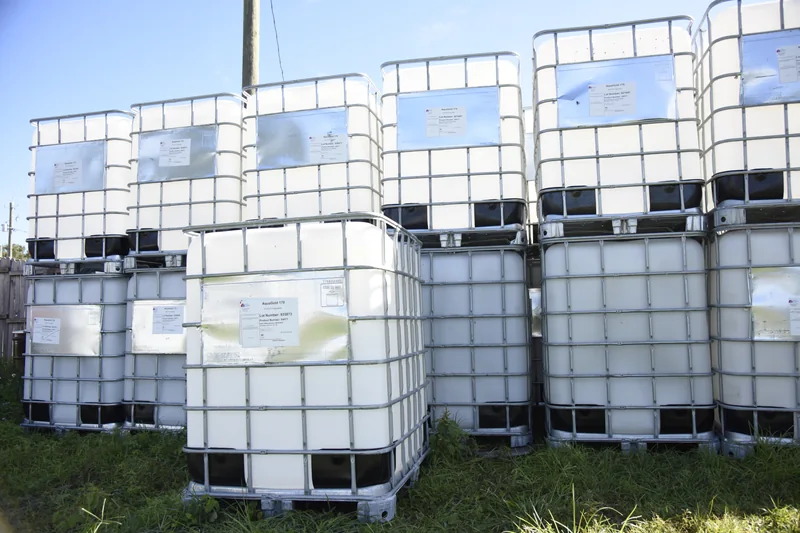
Some food-grade lots carry a faint smell of the prior product (vinegar, flavoring, syrup); some non-food lots show color staining from dyes or coatings. Neither affects the bottle's structure. Ask for current photos of the offered lot if appearance matters for your use.
Photos and order reviewGrade and condition are separate choices
Food-grade or non-food is the history. Used or reconditioned is the preparation. You can buy a used food-grade tote (as received, inspected) or a reconditioned non-food tote (rinsed, with components checked). Pick the history first, then the preparation.
Shop by gradeResale and return programs
Food-grade history totes hold their value better and are easier to place with rinse-and-reuse buyers. If you plan to sell totes back after a project, that is a point for food-grade.
Sell your IBC totes