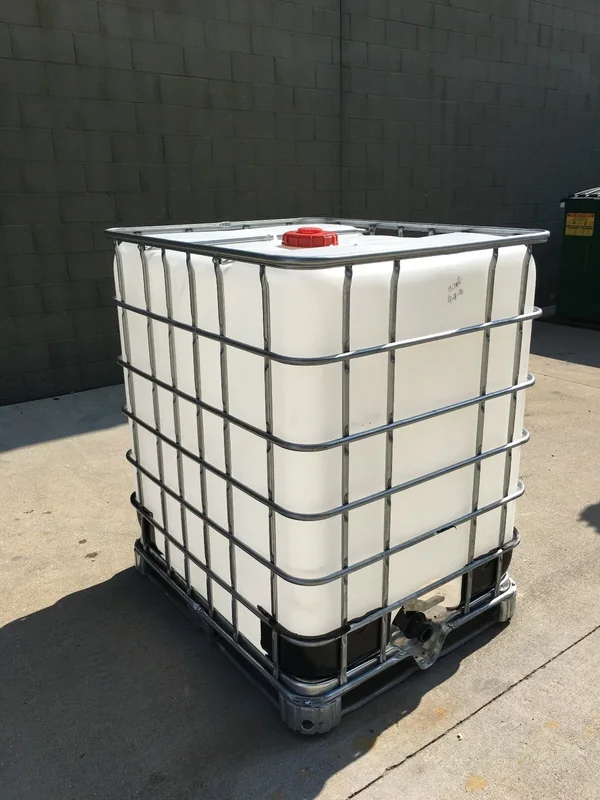
Used vs Reconditioned IBC Totes: Which Condition Do You Need?
Used totes are sold as received after inspection. Reconditioned totes (we also call them rinsed) have been emptied, rinsed and checked over before sale. This guide covers what each includes, what it costs, and which jobs each is right for.
What you get with each condition
Used (as received)
Reconditioned (rinsed)
Preparation
Emptied and inspected; residue of the prior product may remain
Emptied, rinsed, drained and inspected; valve, cap and cage checked, components swapped where needed
Appearance
Labels, staining and prior-product odor possible
Cleaner inside; cosmetic marks on the cage and pallet still normal
Price
Lowest cost per tote
Higher; the preparation is in the price
Lead time
Ships in 2–7 business days
Ships in 2–7 business days
Good for
Non-potable water, waste and washdown, industrial liquids, projects where you will clean the tote yourself, large quantity buys
Rainwater and irrigation, agriculture, brewing and processing with your own sanitizing step, resale, any job where the tote is ready to fill on arrival
Records
Prior contents where known
Prior contents where known plus the preparation performed on the lot
Reconditioned and rinsed refer to the same range on this site. Ask what preparation, inspection and component work were performed on the specific lot you are offered.
How to choose
Will you clean it yourself?
If you already have a washdown or sanitizing step, a used tote gets you the same container for less, and your own process decides the final cleanliness. If the tote needs to be ready to fill the day it arrives, pay for reconditioned.
How many are you buying?
On larger lots the price gap per tote adds up fast. Many quantity buyers take used totes and rinse in-house, or mix the order: reconditioned for the totes that will hold product, used for overflow, waste and washdown.
Check the valve and cap, not just the bottle
Most problems on a used tote are at the outlet valve (stiff, leaking, missing cap) or the fill cap gasket. Reconditioned lots have those checked and replaced where needed. If you buy used, budget for a replacement valve or gasket on a small share of the lot.
Condition is the preparation; grade is the history. You can buy a used food-grade tote or a reconditioned non-food tote. Decide the history first based on what you will store, then the preparation based on how ready it needs to be.
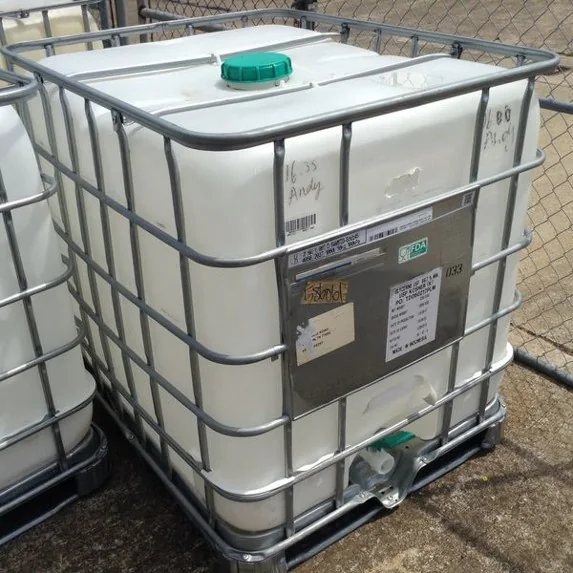
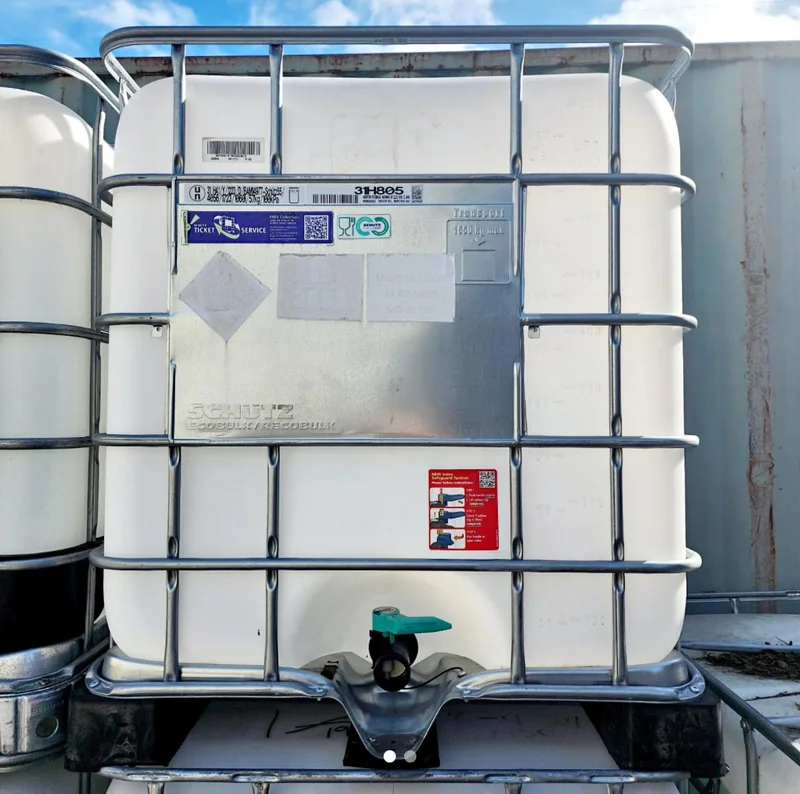
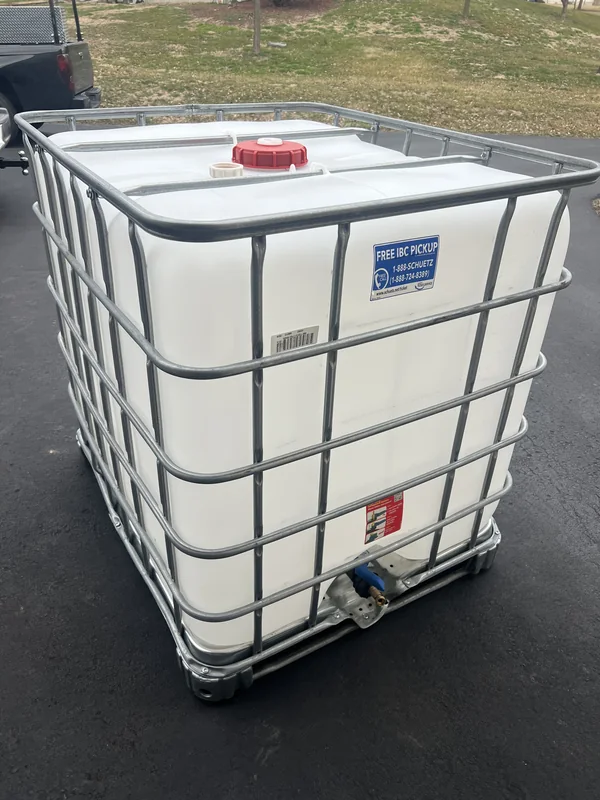
Both conditions can show surface rust on the cage and wear on the pallet; these do not affect use. Bent cage tubes, cracked pallet feet or a bottle that does not sit square are rejected at inspection. Ask for current photos of the lot.
Reconditioned food-grade totes are the easiest to resell or return to a rinse-and-reuse program. If totes are a short-term need, that end value can offset the higher purchase price.
Used vs Reconditioned IBC Totes — Common Questions
What does reconditioned actually include?
Emptying, rinsing, draining and an inspection of the bottle, cage, pallet, valve and cap, with components swapped where needed. The exact work varies by lot, so ask what was performed on the lot you are offered.
Is a reconditioned tote food-safe?
Reconditioned describes preparation, not certification. A reconditioned food-grade history tote is the cleanest starting point we sell, but food or potable use still needs your own sanitizing step.
Are used totes dirty inside?
They are emptied and inspected, but residue of the prior product can remain. Treat a used tote as needing a rinse before you fill it with anything you care about.
Do used and reconditioned totes ship on the same schedule?
Yes. Both ship in 2–7 business days depending on order size and your preferred pickup time, from the Pennsville, NJ or Tampa, FL yard.
Which is better for rainwater?
Reconditioned food-grade is the usual choice: rinsed, edible prior contents, ready to plumb. Used food-grade works if you rinse it yourself and saves money on multi-tote setups.
Can I see the totes before buying?
Yes. Request current photos of the offered lot, or arrange a pickup appointment at the yard and inspect the lot when you collect.