IBC Totes for Rainwater and Non-Potable Storage Planning
A useful rainwater setup starts before the first downpour. Define how the water will be collected, stored and used, then review the tote’s history and connections against that plan.
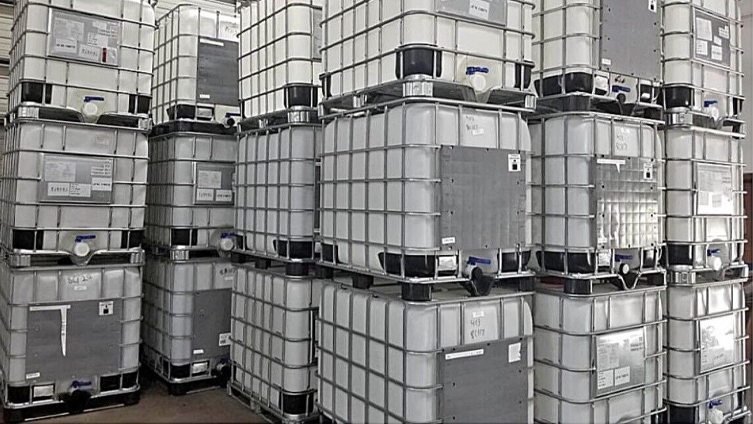
Representative tote photo. It does not demonstrate a rainwater installation or suitability for your project.
Define the requirement
Begin with the Water’s Destination
Separate a non-potable landscape project from any use involving drinking water, food or animals. The collection surface, stored-water quality and container history are different questions. A “food-grade” listing does not answer all three.
University of Minnesota Extension describes collected rain-barrel water as non-potable and identifies contamination risks from the collection surface. Its guidance is not an approval of an IBC model or lot. Read the source guidance.
01
Describe the Collection Plan
Tell us whether the tote will receive roof runoff or another water source, what you plan to use that water for, and whether the container will be indoors or outdoors. Include the space you have for the tote and service access.
02
Review the Container Before the Capacity
Ask what the tote previously held and what preparation was performed. Request current photos of the bottle, cage, pallet, cap and outlet. Review the proposed reuse with the relevant equipment or water-system specialist before choosing a lot.
03
Plan the Inlet, Outlet and Overflow Together
Describe the collection connection, intended hose or pump and overflow destination. Ask your installer to review support, drainage, access and maintenance. This page does not prescribe an elevated stand, mounting arrangement or loaded stacking setup.
Build the specification
Questions to Settle Before Choosing a Lot
Use these questions to organize your request and identify the records or equipment details that still need review.
Compare the actual assembly, preparation and documentation. A catalog label does not establish food safety, drinking-water safety, chemical compatibility or a process rating.
What is the planned non-potable use, and where will the incoming water originate?
Which actual lot history and preparation records are available?
Will 275 or 330 gallons fit the available footprint and service access?
What valve outlet, hose or pump connection will the installation use?
How will the installer handle inlet screening, overflow, support and seasonal maintenance?
Connections & accessories
Start with the Outlet You Actually Have
A garden-hose adapter needs to match the tote-side connection and the hose-side connection. Send close photos of the valve, any markings and a measurement of the outlet. If considering a cover, confirm dimensions and access to the cap and valve; do not assume it makes stored water potable or establishes a UV rating.
Does a Food-Grade Listing Make Rainwater Drinkable?
No. Prior-content grade, container suitability and the water’s quality are separate matters. This application page is for non-potable planning and does not recommend a listed tote for drinking water.
Should I Automatically Choose a Reconditioned Tote?
Rinsed and reconditioned describe the same condition in this catalog. Ask for the actual preparation and history, then review them against your intended reuse. The label alone does not settle suitability.
Bring the Useful Details to Your Inquiry
Describe the collection source and intended non-potable use, preferred capacity, quantity, connection needs, location and any requested lot documentation.